How a Radon Reduction System Protects Your Home and Health
Understanding the Invisible Threat
If you live in St. Louis, you have probably heard about radon. It is a radioactive gas that comes from the natural decay of uranium in soil. It moves up through the ground and into your home through cracks in the foundation, gaps around pipes, and other openings. You cannot see it, smell it, or taste it, but long-term exposure is the second leading cause of lung cancer in the United States, according to the EPA. The American Lung Association warns that radon causes more than 20,000 lung cancer deaths each year. That is a serious number.
I have worked in radon mitigation for years, and I have seen homeowners in St. Louis learn about their radon levels and feel overwhelmed. It is understandable. But the good news is that a properly installed radon reduction system can bring those levels down to safe, acceptable limits. The process is not mysterious or experimental. It is proven, straightforward, and backed by decades of research.
What a Radon Reduction System Actually Does
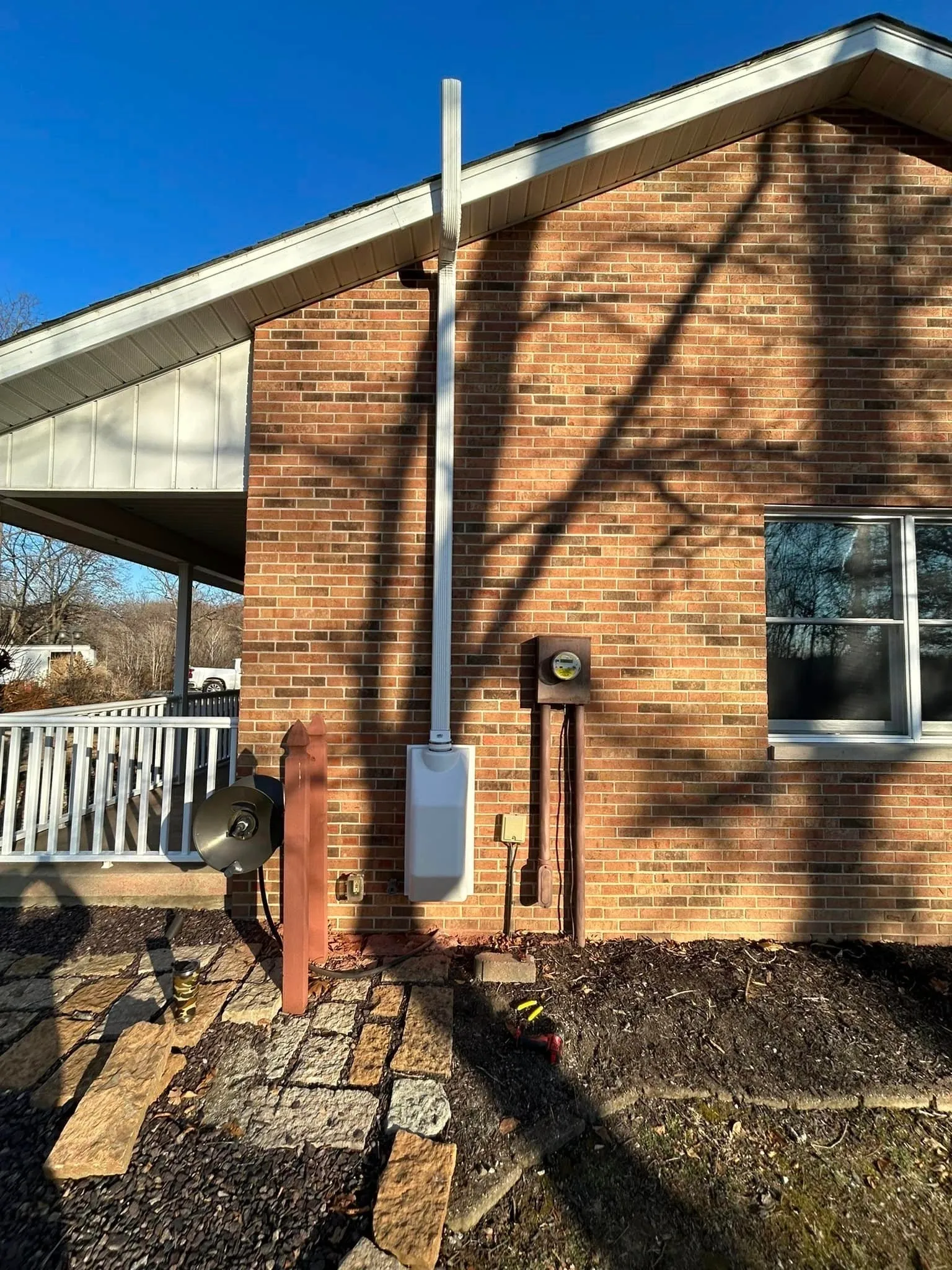
A radon reduction system, often called an active soil depressurization system, works by creating a vacuum under your home's foundation. This vacuum pulls radon-laden soil gas away from the building and vents it safely above the roofline, where it disperses harmlessly. The most common method is sub-slab depressurization, which involves drilling a small hole through the basement floor, creating a suction point, and running a pipe from that point to a fan that exhausts outdoors. The fan runs continuously, and the system relies on a tight seal to keep the vacuum effective.
Think of it like a sump pump for gas. Just as a sump pump removes water that collects under a basement slab, an active soil depressurization system removes radon gas before it has a chance to enter your living space. The fan is usually installed in an attic or on an exterior wall, and it is connected to a manometer, which is a simple gauge that shows you whether the system is maintaining proper suction. A fan monitoring device can also alert you if the fan stops working.
Why Professional Installation Matters
I have seen do-it-yourself attempts at radon mitigation that actually made things worse. A common mistake is to seal cracks without addressing the pressure dynamics under the house. You might seal a crack, but the gas will find another way in. The real solution is to change the pressure so that the gas does not want to come inside. That is what a radon reduction system does.
Professional installers, like those at Air Sense Environmental in St. Louis, know how to evaluate your home's specific conditions. They check soil type, foundation construction, and existing radon levels. They use a radon test kit or a continuous radon monitor to get a baseline reading. Then they design a system that fits your home. The installation involves using high-quality materials: a sturdy sealant around the pipe entry point, polyurethane caulk to seal cracks and joints, and a reliable fan. Brands like RadonAway are trusted for their durability and performance.
The Role of Sealing and Ventilation
Sealing is not the primary strategy, but it is an important part of the overall approach. You seal obvious openings to make the sub-slab depressurization more effective. If the slab has large gaps, the fan has to work harder to maintain suction. Using a good sealant or polyurethane caulk on those gaps ensures that the vacuum is concentrated where it matters. This is not a cosmetic fix. It is a functional one.
Ventilation also plays a role. In some homes, especially those with crawl spaces or unfinished basements, you might need to increase air exchange rates. A radon reduction system addresses the soil gas entry, but if your home is very airtight, you may also benefit from mechanical ventilation that brings in fresh outdoor air. The combination of soil suction and controlled ventilation is often the most effective approach.
Post-Mitigation Verification and Guarantees
Once the system is installed, you cannot just assume it works. You need post-mitigation verification. This means testing the radon levels again after the system has been running for at least 24 hours, and ideally for several days. A continuous radon monitor gives you a real-time picture of fluctuations, while a long-term radon test kit provides an average over months. The EPA recommends that your indoor radon level be below 4 picocuries per liter (pCi/L), but many homeowners aim for 2 pCi/L or lower.
Reputable mitigation companies offer a mitigation guarantee. If the system does not bring radon levels below the agreed threshold, they will make adjustments at no additional cost. That is a standard practice in the industry, and it protects you. When I work with clients, I always explain the guarantee upfront. It builds trust and shows that the installer stands behind their work.
Radon-Resistant Construction for New Homes
If you are building a new home, you have an opportunity to include radon-resistant construction from the start. This is far more cost-effective than retrofitting later. The basic elements include a layer of gravel under the slab, a vapor barrier, a sealed sump pump pit, and a passive pipe that runs from the gravel layer up to the roof. That passive stack can later be turned into an active radon reduction system by adding a fan. Many St. Louis builders now include these features as standard, and the Missouri Department of Health encourages it.
For existing homes, the retrofit process is still relatively straightforward. A professional will assess the foundation, choose the best suction point, and install the system in a day or two. The disruption is minimal. You will have a small hole in your basement floor, a pipe running up the wall, and a fan somewhere out of the way. The manometer will be visible so you can check it occasionally. That is about it.
Maintaining Your System Over Time
Like any mechanical system, a radon reduction system requires occasional attention. The fan should last five to ten years, but it can fail sooner if it is exposed to extreme temperatures or debris. Check the manometer monthly. If the fluid levels are not even, the fan may not be running, or there could be a blockage in the pipe. Some systems include a fan monitoring device that will sound an alarm or send a notification if the fan stops. That is a nice feature for peace of mind.
Also, keep an eye on the seal around the pipe entry point. If you see cracks, apply fresh polyurethane caulk. The system is only as good as its seals. And if you make changes to your home, like finishing a basement or adding a sump pump, consult your mitigation professional before altering anything. Those changes can affect the pressure under the slab.
Health and Peace of Mind
Reducing radon levels in your home is one of the most impactful things you can do for your family's health. The American Lung Association recommends testing all homes for radon and fixing any problems promptly. The EPA has detailed guidelines on their website. And the Missouri Department of Health provides free test kits to residents in some counties. There is no excuse not to test.
I have seen homeowners go from worried to relieved after a radon reduction system is installed. They understand the invisible threat, and they have taken concrete action. That sense of control is valuable. You are not just protecting your property value. You are protecting the people who live inside it.
If you suspect you have high radon levels, start with a simple radon test kit. If the test shows levels above 4 pCi/L, call a qualified mitigation contractor. Ask about their process, their guarantee, and whether they offer post-mitigation verification. A good contractor will walk you through every step, from the initial testing to the final verification. And once the system is running, you can breathe easier knowing your home is safer.